
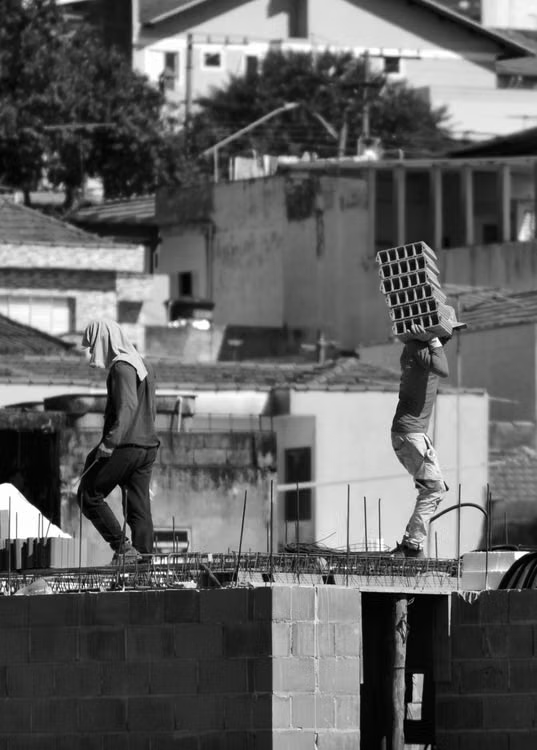
For many years, organisations viewed corporate uniforms and workwear mainly in terms of appearance or visual consistency. However, developments in Human Resources management and occupational health and safety have focused attention on a decisive factor in everyday operations: clothing ergonomics.
Ergonomics, the science of adapting working conditions and equipment to human capabilities and limitations, applies to more than furniture and hand tools. Workwear is the layer closest to the worker throughout shifts that can last 8 to 12 hours a day.
When a uniform restricts movement, traps perspiration or continually rubs against the skin, the effects go beyond temporary discomfort, causing early physical fatigue, loss of focus and reduced operational performance.
Below, we examine how incorporating ergonomic criteria into workwear design directly affects team wellbeing and business operational efficiency.
1. The Three Dimensions of Clothing Comfort
Studies in textile technology and clothing design divide workwear comfort into three interconnected dimensions:
- Biomechanical and Anthropometric Comfort: This concerns freedom of movement and how well a garment fits the worker's proportions during dynamic postures, such as kneeling, reaching or bending the back.
- Thermophysiological Comfort (Textile Microclimate): This refers to the fabric's ability to manage heat and moisture exchange between the skin and the surrounding environment, maintaining thermal balance.
- Sensory / Physiological Comfort: This relates to how the material feels against the skin, the absence of harsh seam friction and even distribution of clothing pressure across the body.
| Biomechanical | Thermophysiological | Sensory |
|---|---|---|
| Full range of movement Actual weight and measurement chart Flexible seams | Heat exchange Sweat management Breathability Thermal insulation | Soft feel No irritating friction Gentle pressure |
2. Freedom of Movement and Reduced Biomechanical Effort
In sectors such as logistics, construction, industry, catering ou Healthcare, workers perform hundreds of repetitive movements per shift. If work trousers create mechanical resistance around the knee when squatting, the worker must apply additional muscular force to overcome the fabric's stiffness.
Over time, this small but persistent resistance leads to:
- Accumulated Muscular Fatigue: The body uses more energy to perform the same tasks.
- Compensatory Postures: To avoid tension from a poorly shaped garment, the worker may adopt incorrect postures, increasing the risk of musculoskeletal disorders.
Ergonomic Design Solutions:
- Adding Vents and Articulated Panels: Ergonomic back pleats in jackets allow the arms to extend without the garment riding up at the waist.
- Three-Dimensional Patterns and Functional Ease: Patterns designed around the body in motion — dynamic anthropometry — rather than only at rest.
- Incorporating Stretch Fabrics: Adding elastic fibres in critical joint areas provides flexibility without compromising the fabric's tensile and tear resistance.
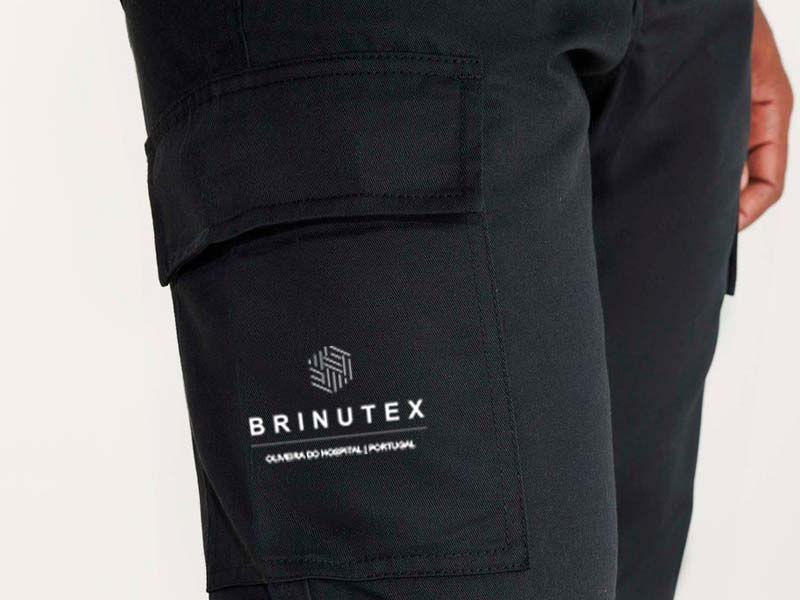
3. Managing the Textile Microclimate and Thermal Comfort
The human body regulates its internal temperature through sweating. When sweat does not evaporate efficiently, it accumulates beneath clothing, creating a highly humid microclimate between the skin and fabric.
- In Hot Conditions: Fabric that blocks airflow prevents sweat evaporation, causing overheating, exhaustion and reduced concentration.
- In Cold Conditions: Moisture trapped in fabric conducts heat away from the body much faster than dry air, causing rapid cooling and thermal discomfort during breaks or periods of reduced physical activity.
Choosing breathable fabrics with moisture-transfer properties (wicking effect) keeps skin dry, preserves the body's energy and helps maintain worker alertness.
4. Applied Anthropometry: Differences Between Men's and Women's Garment Patterns
For decades, standardised workwear relied on scaling men's patterns down to smaller sizes — the so-called unisex model. Anthropometry shows significant structural differences between male and female proportions, including waist height, hip curvature, shoulder width and chest dimensions.
Providing workwear with patterns specifically developed for female anatomy is more than a matter of appearance: it is a crucial ergonomic requirement.
- Operational Safety: Overlong trousers or jackets that are too loose around the arms increase the risk of snagging in equipment or tripping.
- Comfort and Wellbeing: Uniforms fitted to actual body proportions avoid constant manual adjustments throughout the day, improving posture and confidence.
5. The Direct Impact on Productivity and Perceived Value
At an organisational level, choosing clothing with high standards of comfort and functionality is reflected in tangible management indicators:
- Maintaining Focus and Reducing Errors: Workers who are not distracted by tight, abrasive or overheating garments maintain higher levels of attention and accuracy in their tasks.
- Employee Appreciation and Workplace Culture: A uniform is an investment that employees experience directly every day. When teams see that their employer has invested in quality, comfortable clothing suited to their roles, their sense of belonging and pride in the corporate image grows.
- Durability and Cost-Benefit Ratio: Ergonomically designed garments place less structural stress on seams during strenuous movement, extending their useful life and reducing replacement frequency.
The Future of Workwear
Workwear evolves alongside textile technology and the study of human needs in the workplace. Investing in professional uniforms goes far beyond choosing a colour or adding a logo: it is a strategic decision combining operational risk prevention with team wellbeing and productivity.
At Brinutex, we approach workwear design with the technical responsibility your team requires, combining careful material selection with patterns engineered for movement and function.

Comments
Comments are published after approval by Brinutex.
Write a comment